Computer vision
Inspection, detection, monitoring, and classification workflows for industrial sites, logistics corridors, agriculture, and infrastructure maintenance.
Zagfro’s AI work is centered on practical operator value: perception, decision support, language interfaces, and automation that can run with local infrastructure constraints in mind.
Useful AI in African environments often depends as much on power, connectivity, devices, and workflow fit as it does on the model itself.
We are most interested in AI systems that improve operational clarity. That includes computer vision for field inspection, language interfaces for access and support, and decision tools that help operators act with more confidence.
The company direction also points strongly toward edge deployment. That matters because many of the environments worth serving cannot rely on uninterrupted cloud access or ideal network conditions.
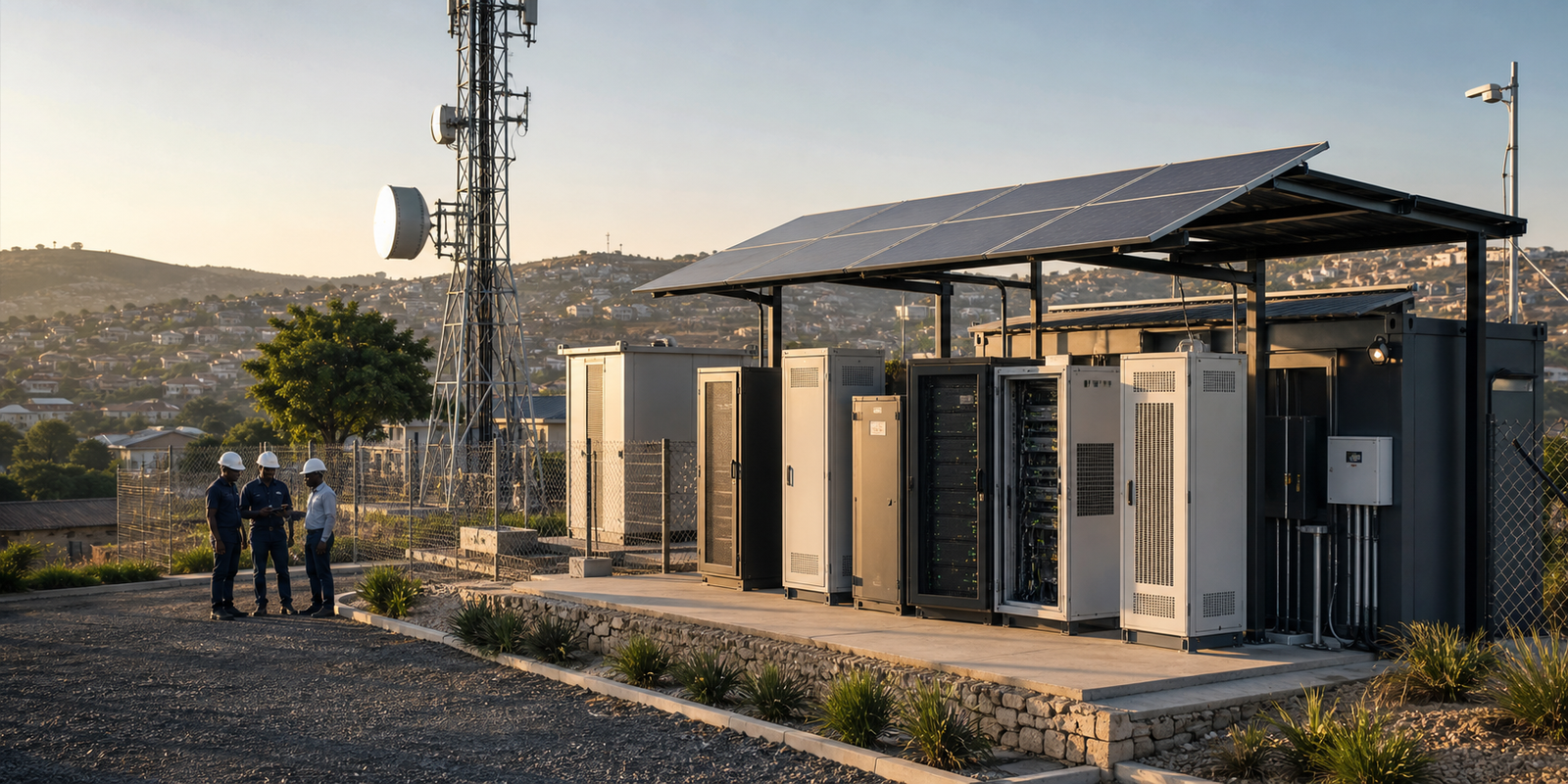
Inspection, detection, monitoring, and classification workflows for industrial sites, logistics corridors, agriculture, and infrastructure maintenance.
Chat, search, and operational assistance layers that make systems easier to use for teams working across varying skill levels and language contexts.
AI-assisted routing, prioritization, reporting, and response design that reduces friction in complex operational environments.
Systems designed to keep useful inference closer to the field when cloud dependency would slow response or reduce reliability.
Zagfro’s AI positioning is strongest when it treats infrastructure, operator behavior, and support logistics as part of the product design problem. That is what separates a usable system from a demo.

Zagfro’s sector pages are best understood as application layers on top of shared intelligence and infrastructure capabilities. Education, healthcare, finance, climate, and trade all benefit from better perception, better routing, and better decision support.
If you have a workflow that needs faster perception, stronger decision support, or more reliable automation, we can scope the problem from the field backward.