Edge compute
Localized processing capacity for workloads that need lower latency, stronger autonomy, or better continuity during network interruptions.
Zagfro’s infrastructure work is about making AI and operations usable in practice: connectivity, compute, physical deployment support, and the reliability layers that keep systems available.
In many African operating environments, infrastructure is not a background detail. It is the difference between an idea that sounds promising and a system that actually works.
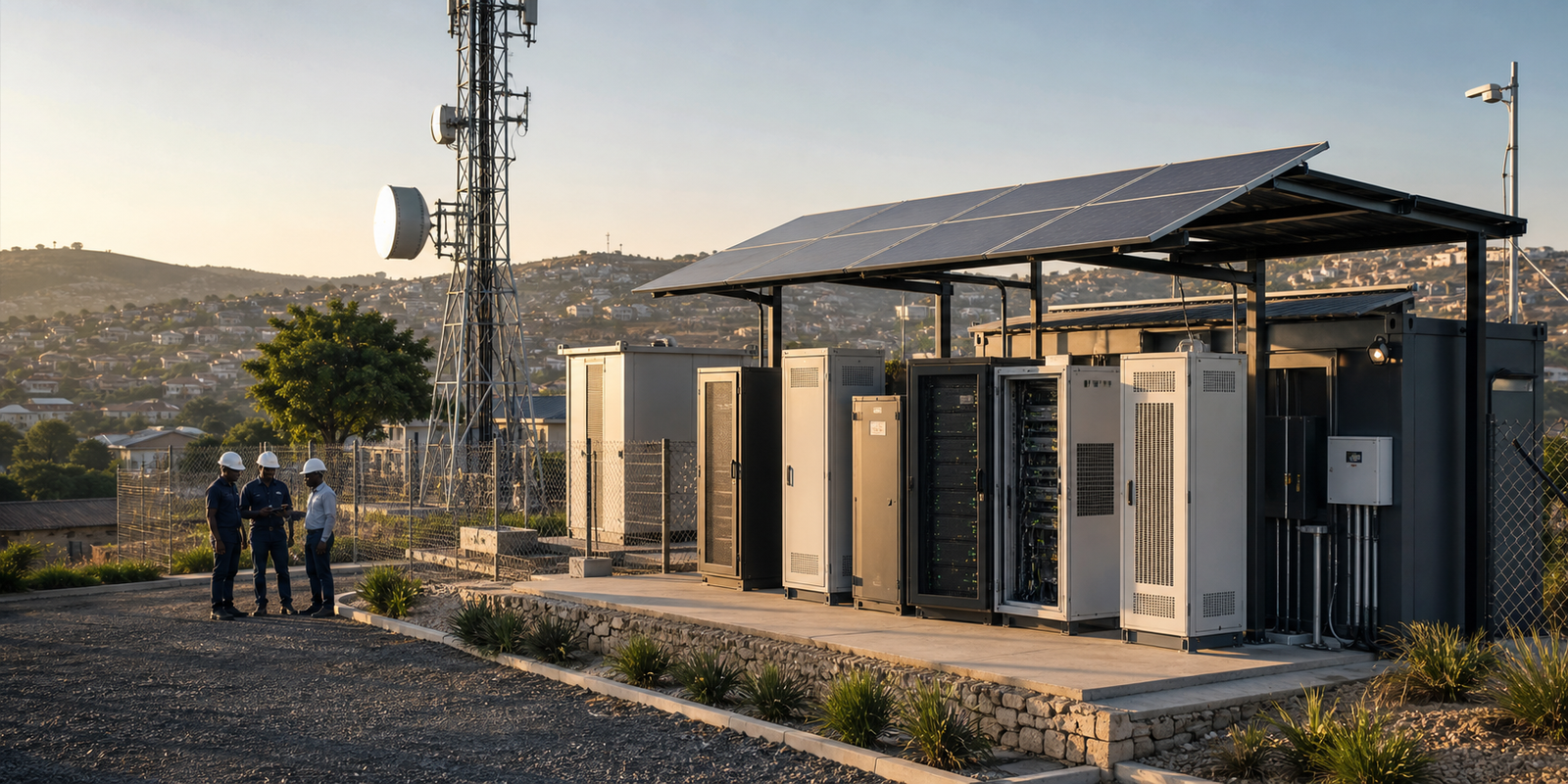
Zagfro’s public direction points toward infrastructure that supports real deployment: edge-ready compute, resilient local connectivity, and physical systems that can sustain field use.
That approach is especially important in contexts where power stability, terrain, weather, and maintenance access all influence whether a service remains useful after launch.
Localized processing capacity for workloads that need lower latency, stronger autonomy, or better continuity during network interruptions.
Networks and access layers that help teams stay operational in areas where coverage quality and bandwidth vary sharply.
Power-aware and environment-aware hardware choices that support more rugged use across campuses, sites, and field operations.
Operational visibility, system health awareness, and support workflows that make infrastructure maintainable over time.
In environments where reliability cannot be assumed, infrastructure competence becomes part of the product advantage. It improves uptime, reduces operator frustration, and makes higher-level software more trustworthy.

Education systems need stable local access. Healthcare workflows need dependable routing and data handling. Logistics platforms need visibility and uptime. Autonomous systems need reliable field support. The infrastructure layer is what holds those promises together.
We approach infrastructure as a strategic layer that makes advanced technology usable in practice. That is the conversation to have if reliability matters as much as innovation.