Environmental monitoring
Computer vision, sensors, and field intelligence for land use, site observation, infrastructure risk, and changing environmental conditions.
Zagfro’s climate direction fits best where monitoring, agriculture, energy resilience, and field intelligence need to work together in difficult environments.
Climate work is not just about dashboards. It is about sensing, movement, local infrastructure, and timely decisions in places where conditions change fast.
Computer vision, sensors, and field intelligence for land use, site observation, infrastructure risk, and changing environmental conditions.
Applied intelligence and drone-enabled workflows for mapping, inspection, and response in farming and land-management contexts.
Resilient local systems that keep technology useful where power reliability shapes every operational decision.
Monitoring and routing systems that help teams act faster when environmental conditions threaten assets, communities, or supply lines.
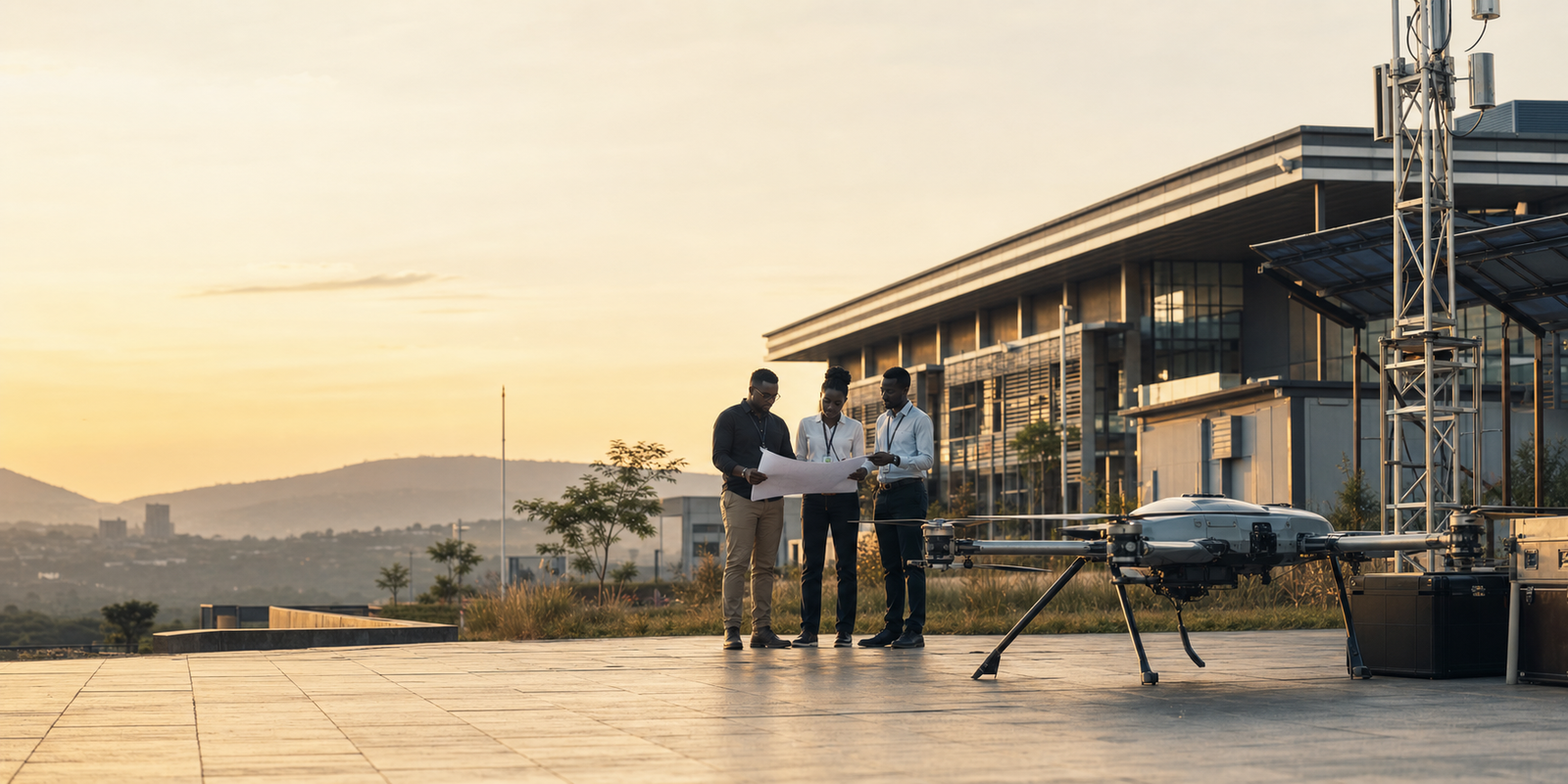
Many climate-related operating problems are deeply physical. They involve land, mobility, weather, maintenance, and energy. That plays to Zagfro’s mix of software, infrastructure, and autonomous systems.
The company is best positioned where climate technology has to produce usable operational signal rather than abstract reporting.
We are most useful where land, infrastructure, mobility, and environmental conditions all shape the operational problem at once.